


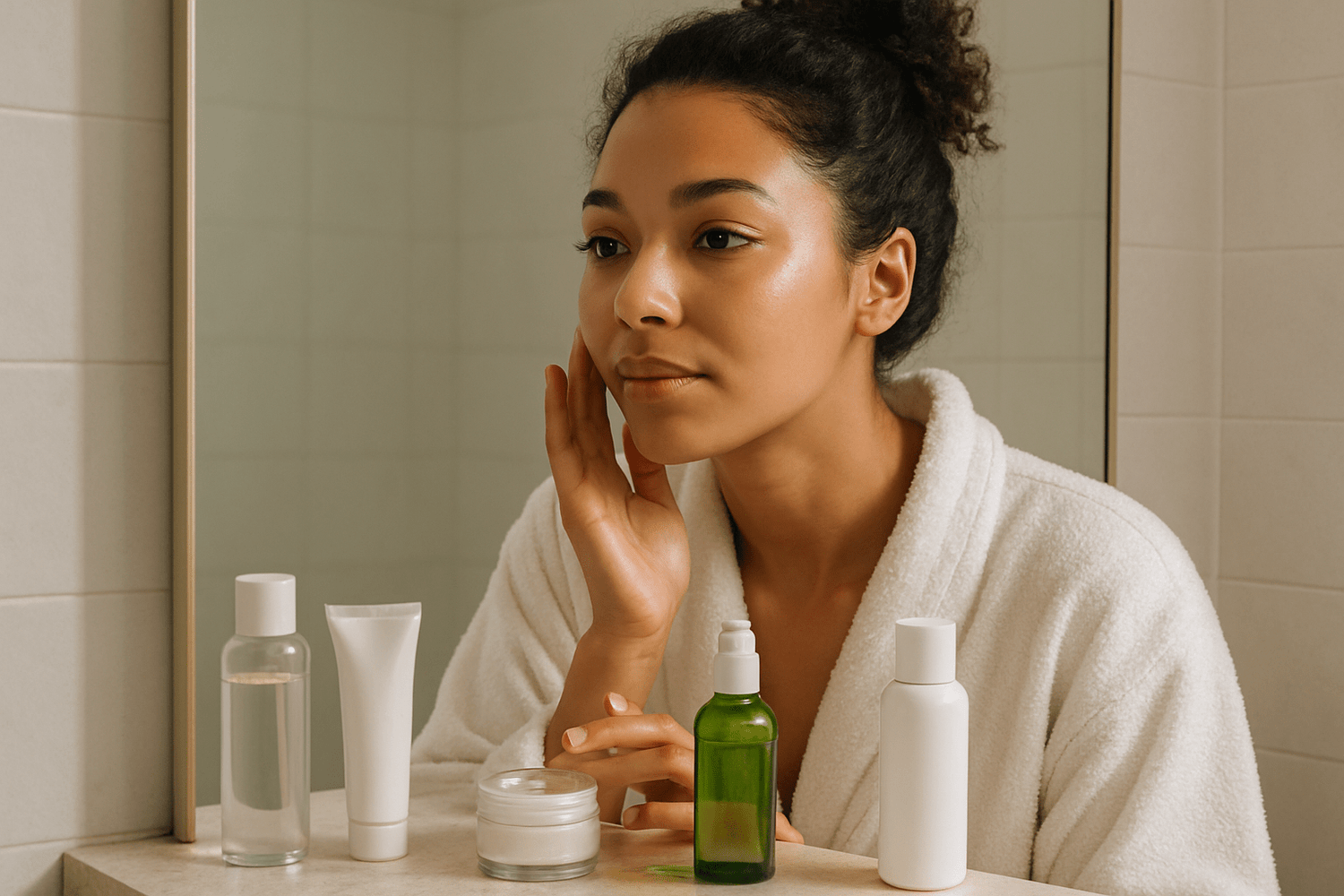
Understanding Your Skin's Circadian Rhythm
Your skin operates on a sophisticated biological clock, orchestrating cellular processes throughout the day. During nocturnal hours, your complexion enters repair mode, regenerating and healing from daily environmental stressors. As dawn breaks, your skin shifts into protective mode, preparing to face ultraviolet radiation, pollutants, and oxidative stress.
This circadian dermatological cycle influences sebum production, transepidermal water loss, and cellular turnover rates. Morning skincare routines must harmonise with these natural rhythms to optimise skin health and luminosity. Understanding this temporal biology helps explain why certain ingredients perform optimally at specific times, making your morning regimen fundamentally different from evening protocols.
The epidermis experiences peak hydration levels during early morning hours, whilst cortisol production increases, potentially triggering inflammatory responses. This delicate balance requires targeted intervention through carefully selected formulations that support your skin's natural protective mechanisms whilst enhancing its inherent radiance.
"The key to achieving that coveted morning glow lies in working with your skin's natural rhythm, not against it."
Step 1: Gentle Cleansing for Morning Renewal
Selecting the Right Cleanser for Your Skin Type
Morning cleansing serves a distinctly different purpose than evening purification. Overnight, your skin accumulates cellular debris, excess sebum, and residual skincare products. A gentle, pH-balanced cleanser removes these impurities without stripping your skin's precious lipid barrier.
For normal to combination skin, seek gel-based cleansers containing mild surfactants derived from coconut or sugar. These formulations effectively dissolve overnight accumulation whilst maintaining optimal hydration levels. Dry skin types benefit from cream cleansers enriched with ceramides and natural oils, which cleanse whilst simultaneously nourishing the stratum corneum.
Oily and acne-prone complexions require careful consideration. Salicylic acid-infused cleansers provide gentle exfoliation, unclogging pores without triggering reactive sebum production. However, overuse can compromise barrier function, leading to increased sensitivity and paradoxical oiliness.
Proper Cleansing Technique
Begin with lukewarm water to soften the skin's surface. Apply cleanser using upward circular motions, spending approximately 60 seconds massaging the product across your entire face and neck. Pay particular attention to the T-zone, where sebaceous activity peaks overnight.
Rinse thoroughly with cool water to tighten pores and invigorate circulation. Pat dry with a clean, soft towel using gentle pressing motions. Aggressive rubbing can cause micro-tears and irritation, counteracting your morning routine's luminosity goals.
Step 2: Balancing and Preparing with Toners
The Evolution of Toning
Modern toners have transcended their historical astringent origins, evolving into sophisticated treatment essences that optimise skin pH and enhance subsequent product absorption. These liquid formulations bridge the gap between cleansing and treatment, creating an ideal canvas for active ingredients.
Hydrating toners containing hyaluronic acid, glycerin, and botanical extracts provide an immediate moisture surge whilst preparing the skin for serum penetration. Exfoliating toners featuring gentle alpha-hydroxy acids promote cellular turnover, revealing the fresh, radiant skin beneath.
Application Methods for Maximum Efficacy
Apply toner using the pressing method rather than cotton pads, which can waste product and cause unnecessary friction. Pour a small amount into clean palms and gently press into the skin, allowing complete absorption before proceeding to the next step.
For enhanced circulation and lymphatic drainage, incorporate gentle tapping motions with your fingertips. This technique, borrowed from Korean skincare traditions, promotes blood flow and creates that coveted morning dewiness.
Transform Your Routine with Barely Skin's AM Routine
Streamlining your morning skincare doesn't mean compromising on results. The Barely Skin AM Routine combines multiple essential steps into one powerhouse formulation, perfect for busy mornings when time is precious yet glowing skin remains non-negotiable.
This COSMOS certified natural formula harnesses the power of barley extract, known for its exceptional hydrating and antioxidant properties. The lightweight, fast-absorbing texture delivers intensive moisture whilst creating an optimal base for makeup application. Formulated with skin-identical actives, this multi-functional product cleanses, tones, and moisturises in one effortless step.
What sets this product apart is its sophisticated understanding of morning skin needs. The formula contains fruit antioxidants that shield against environmental aggressors whilst promoting cellular regeneration. For ingredient-conscious women seeking effective, clean alternatives, this product represents the perfect marriage of convenience and conscious beauty.
Step 3: Targeted Serums for Specific Concerns
Vitamin C: The Morning Antioxidant Powerhouse
Vitamin C serums represent the cornerstone of effective morning skincare routines. L-ascorbic acid and its stable derivatives provide potent antioxidant protection whilst stimulating collagen synthesis and inhibiting melanogenesis. These actions culminate in brighter, more even-toned skin with enhanced firmness.
Concentration matters significantly in vitamin C formulations. Beginners should commence with 10-15% concentrations, gradually increasing tolerance. Advanced users may benefit from 20% formulations, though higher percentages don't necessarily correlate with superior results.
Stability presents the primary challenge with vitamin C serums. Seek formulations in dark glass bottles with airless pumps to prevent oxidation. Magnesium ascorbyl phosphate and sodium ascorbyl phosphate offer enhanced stability whilst delivering comparable benefits to L-ascorbic acid.
Hydrating Serums for Plump, Dewy Skin
Hyaluronic acid serums create an invisible moisture reservoir, capable of holding up to 1,000 times their weight in water. Multiple molecular weights ensure both surface hydration and deeper penetration, creating multi-layered moisture that lasts throughout the day.
Layer hyaluronic acid on slightly damp skin to maximise absorption. In low-humidity environments, follow immediately with a moisturiser to prevent transepidermal water loss, which can leave skin feeling tighter than before application.
Niacinamide for Balanced, Refined Skin
Niacinamide, also known as nicotinamide, offers remarkable versatility in morning routines. This vitamin B3 derivative regulates sebum production, minimises pore appearance, and strengthens barrier function. Its anti-inflammatory properties make it suitable for sensitive skin types that cannot tolerate traditional exfoliants.
Unlike some actives, niacinamide plays well with other ingredients, including vitamin C and retinol alternatives. Concentrations between 5-10% provide optimal benefits without irritation risk.
Step 4: Moisturising for Hydration and Protection
Understanding Moisturiser Formulations
Effective moisturisers combine three essential categories of ingredients: humectants, emollients, and occlusives. Humectants like glycerin and sodium PCA draw moisture from the environment and deeper skin layers. Emollients such as squalane and jojoba oil smooth and soften the skin's surface. Occlusives including ceramides and natural waxes create a protective barrier preventing moisture loss.
Morning moisturisers should absorb quickly without leaving residue that might interfere with sunscreen or makeup application. Gel-cream textures provide substantial hydration whilst maintaining a lightweight feel, perfect for the morning routine's efficiency requirements.
| Skin Type | Recommended Texture | Key Ingredients |
|---|---|---|
| Normal | Light cream | Hyaluronic acid, ceramides |
| Dry | Rich cream | Shea butter, peptides |
| Oily | Gel or gel-cream | Niacinamide, zinc |
| Combination | Lightweight lotion | Squalane, green tea |
Application Techniques for Enhanced Absorption
Warm moisturiser between clean palms before application to improve spreadability and absorption. Begin at the centre of your face, working outward in upward strokes. Don't neglect your neck and décolletage, areas that often reveal signs of neglect and ageing.
Allow moisturiser to fully absorb for 2-3 minutes before sunscreen application. This waiting period ensures optimal layering and prevents pilling, a common issue when products are rushed.
Step 5: Sun Protection as Your Daily Shield
Understanding SPF and Broad-Spectrum Protection
Sun protection factor (SPF) measures protection against UVB rays, which cause burning and directly contribute to skin cancer development. However, UVA rays penetrate deeper, causing premature ageing and hyperpigmentation. Broad-spectrum formulations protect against both radiation types, making them non-negotiable for morning routines.
SPF 30 blocks approximately 97% of UVB rays, whilst SPF 50 blocks 98%. The difference appears minimal, but for daily wear, SPF 30-50 provides adequate protection when applied correctly. The key lies in application quantity and reapplication frequency rather than pursuing higher SPF numbers.
Chemical vs. Physical Sunscreens
Chemical sunscreens containing avobenzone, octinoxate, and oxybenzone absorb UV radiation, converting it to heat. These formulations typically offer superior cosmetic elegance and broader protection spectrums. However, some individuals experience sensitivity, particularly those with reactive skin conditions.
Physical sunscreens utilise zinc oxide and titanium dioxide to reflect UV radiation. Modern formulations have largely eliminated the white cast issue through micronisation and tinting. These mineral options suit sensitive skin types and provide immediate protection upon application.
Proper Sunscreen Application
Apply sunscreen as the final step in your morning routine, using approximately 1/4 teaspoon for face and neck coverage. Most people apply insufficient amounts, compromising protection levels significantly. Spread evenly, paying attention to often-missed areas like eyelids, ears, and the hairline.
Reapplication remains crucial for continued protection, particularly during extended outdoor exposure. Powder sunscreens and setting sprays with SPF offer convenient options for midday touch-ups over makeup.
Customising Your Routine for Different Skin Types
Sensitive Skin Considerations
Sensitive skin requires a minimalist approach with gentle, fragrance-free formulations. Introduce new products individually, allowing 1-2 weeks between additions to monitor reactions. Prioritise products with minimal ingredient lists featuring proven soothing agents like allantoin, centella asiatica, and colloidal oatmeal.
Avoid common irritants including:
- Essential oils and synthetic fragrances
- High concentrations of active ingredients
- Alcohol-based toners
- Harsh physical exfoliants
Mature Skin Requirements
Mature skin benefits from ingredient combinations that address multiple ageing concerns simultaneously. Peptide-infused moisturisers stimulate collagen production whilst antioxidant serums protect against continued damage. Gentle chemical exfoliants promote cellular turnover without causing irritation.
Focus on barrier repair through ceramide-rich formulations and hydration through multiple molecular weight hyaluronic acid. These ingredients work synergistically to plump fine lines and restore youthful luminosity.
Common Mistakes to Avoid
Over-Exfoliation and Product Overload
The most prevalent mistake involves using too many active ingredients simultaneously. Your skin requires time to adjust to new formulations, and overwhelming it with multiple actives can trigger irritation, redness, and compromised barrier function.
Morning routines should focus on protection and hydration rather than intensive treatment. Save stronger actives like retinoids and high-concentration acids for evening routines when your skin enters repair mode.
Inconsistent Application
Consistency trumps perfection in skincare. A simple routine performed daily yields superior results compared to an elaborate regimen used sporadically. Choose products you genuinely enjoy using, as this increases adherence likelihood.
Track your routine for the first month using a skincare diary or mobile application. This practice helps identify which products truly benefit your skin versus those included from habit or marketing influence.
Seasonal Adjustments and Environmental Factors
Your morning routine should adapt to changing environmental conditions and seasonal variations. Winter months require richer formulations to combat decreased humidity and harsh indoor heating. Summer routines benefit from lightweight, oil-free products that won't feel heavy in increased temperatures and humidity.
Urban environments demand enhanced antioxidant protection due to increased pollution exposure. Rural settings might require different considerations, such as stronger sun protection for outdoor activities.
Consider these environmental adjustments:
- Increase hydration during air travel or in air-conditioned environments
- Add barrier-strengthening products during extreme weather
- Adjust active ingredient concentrations based on seasonal skin sensitivity
- Modify sunscreen formulations for different activity levels
Measuring Progress and Adjusting Your Routine
Effective skincare requires patience and objective assessment. Take weekly photographs in consistent lighting to track progress accurately. Skin improvements often occur gradually, making day-to-day changes difficult to perceive.
Keep notes about how your skin feels and looks throughout the day. Does your moisturiser maintain hydration until evening? Does your sunscreen cause any irritation or interfere with makeup application? These observations guide future product selections and routine modifications.
Remember that skincare is deeply personal. What works magnificently for others might not suit your unique skin chemistry and lifestyle requirements. Trust your skin's responses and adjust accordingly, always prioritising barrier health and protection over temporary aesthetic improvements.
Building an effective morning skincare routine for glowing skin requires understanding your skin's needs, selecting appropriate products, and maintaining consistency. With patience and the right approach, you'll develop a routine that not only protects your skin but enhances its natural radiance throughout the day.


Leave a comment
This site is protected by hCaptcha and the hCaptcha Privacy Policy and Terms of Service apply.